

Blog
Select Category

Part 2: The Bass That Broke the Music: How Subwoofers Go Wrong
Subwoofers promise deeper, more powerful bass, but in most real-world rooms, they introduce timing issues, uneven response, and boomy, uncontrolled low frequencies that can undermine the music itself. Without careful placement, calibration, and room treatment, their “upgrade” often becomes a source of frustration rather than enhancement.
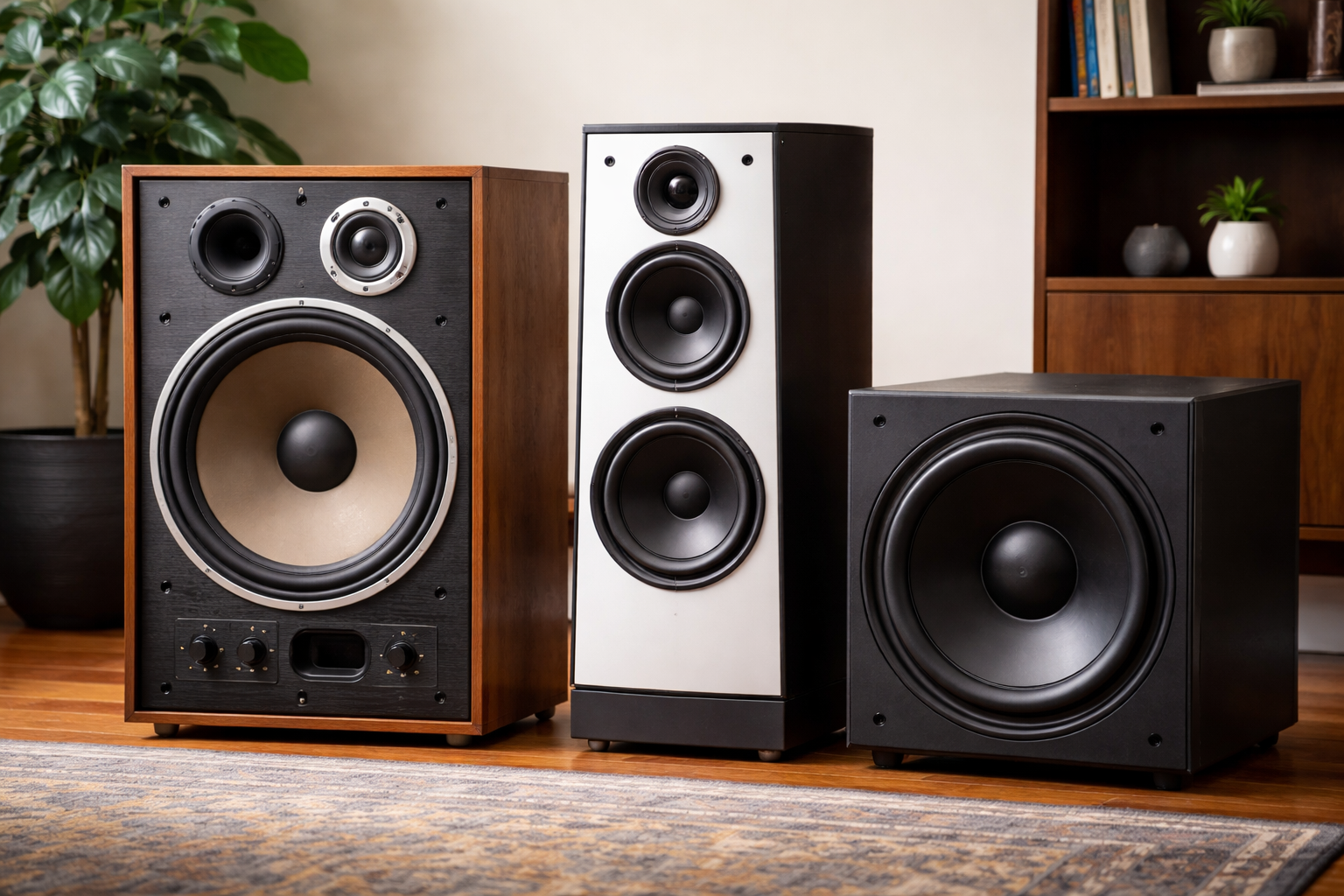
Part 1:When Bass Went Small: Why the Subwoofer
Bass has always shaped how we feel and experience music, evolving from large cabinets to compact systems with subwoofers. Technological advances, changing living spaces, and consumer tastes drove the rise of smaller speakers paired with dedicated bass units.
Subwoofers allow precise low-frequency reproduction but require careful integration and room-aware placement. Ultimately, whether large or compact, bass remains essential, supporting music without overpowering it.

Part 4: Breaking the Binary: A Voice that Bridges the Binary
Jeff Day a Voice that doesnt adopt Tribalism
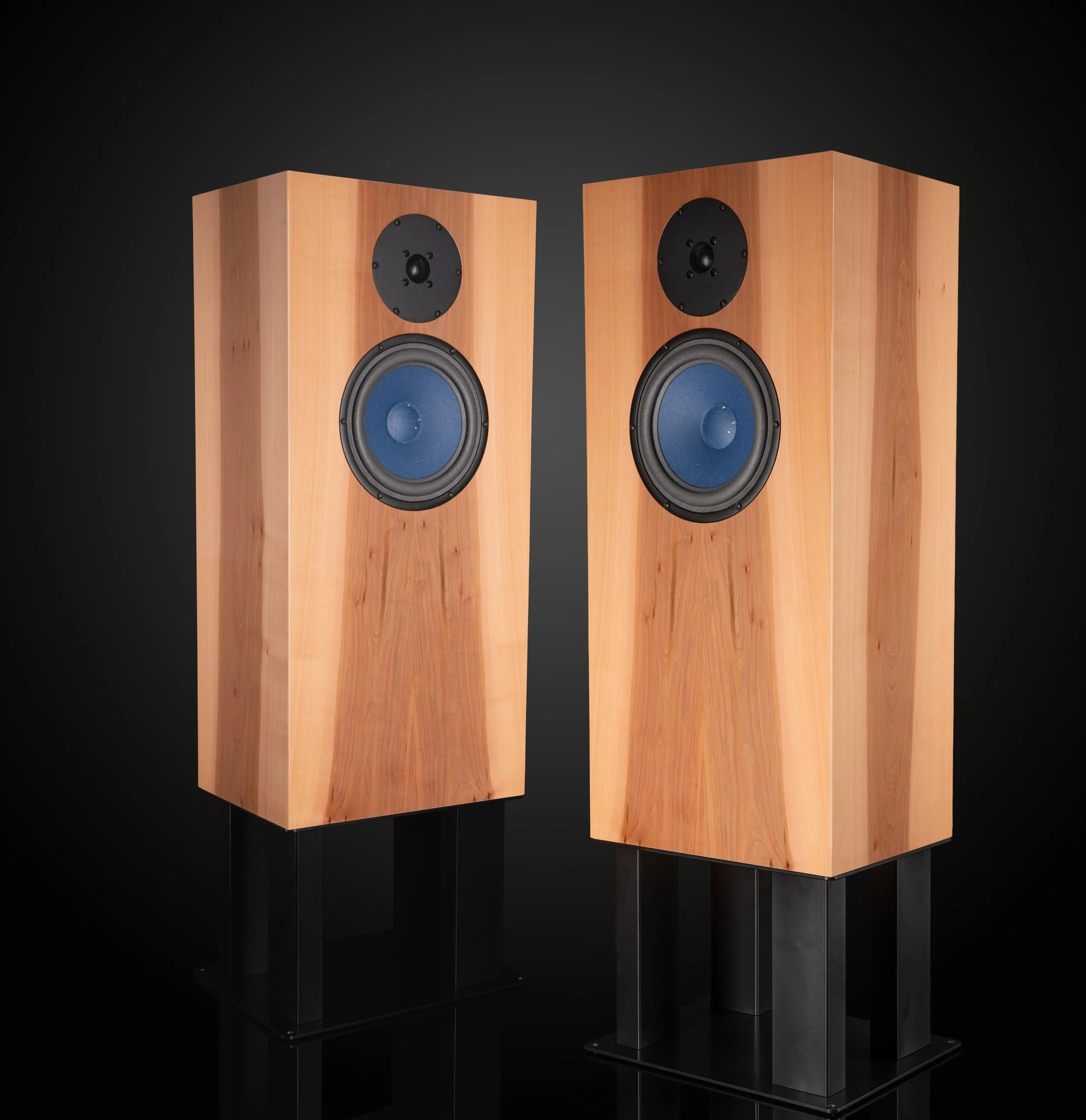
Part 3: Breaking the Binary: Audio Note’s Hybrid Design Explained
Audio Note takes a balanced approach, blending objective measurement with subjective listening. Instruments reveal distortions, phase issues, and power-supply limits that affect long-term sound quality.
Listening captures emotional nuance, timing, spatial cues, and musical flow that measurements alone miss. Engineers use data to guide design and component choice, while “material voicing” and attentive listening refine tone, phrasing, and dynamics. Choices like non-oversampling DACs and valve-rectified power supplies preserve musical timing and presence, even if they defy strict metrics.
By combining measurement with perceptual evaluation, Audio Note bridges science and art, creating systems that maintain coherence, expressivity, and the sense of real musicians, keeping the music central.
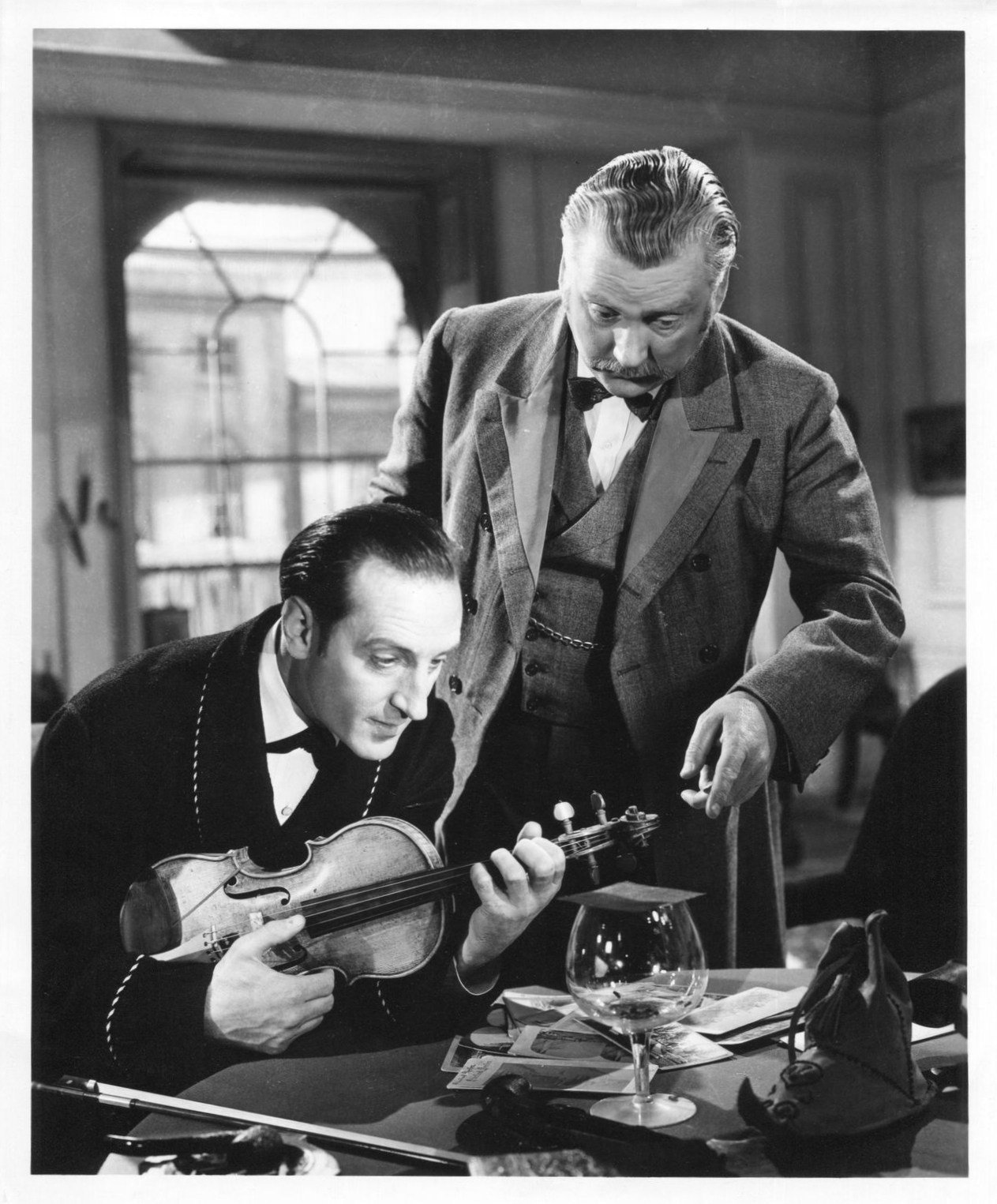
Part 2: Breaking the Binary: What Holmes & Watson Would Say
The divide in audio communities mirrors Sherlock Holmes and Dr. Watson: Holmes represents disciplined observation, Watson human intuition.
Audio forums often lack this balance, with debates over formats, cables, or “sound qualities” turning into tribalism and jargon, where allegiance replaces analysis.
True evaluation requires both careful scrutiny and perceptual sensitivity—assessing devices, assumptions, and experience—so technical observation and human response together reveal the real character of music reproduction.

Golden Ears Part 5: What They Notice That Most People Don’t
Some listeners perceive music with remarkable sensitivity, noticing subtle tone, texture, and spatial details that bring it to life. These “extraordinary listeners” are not mystical but reflect the limits of human hearing, shaped by experience, focus, and perceptual skill.
They detect when instruments lose definition, transients smear, or harmonics congest, revealing aspects that measurements cannot capture. Their consistent judgments expose blind spots in standard testing, bridging the gap between technical accuracy and music’s dynamic, spatial, and emotional reality.

Part 3: Golden Ears: Heightened Sensitivity to Timbre
Golden Ears’ skill focuses on timbre—the quality that distinguishes tones even when pitch, loudness, and duration are identical. Timbre arises from harmonics, attack sharpness, overtone decay, and subtle amplitude and frequency shifts, conveying an instrument’s identity and performer’s intent.
Accurate timbre makes music feel textured, rich, and emotionally vivid; its loss flattens or blurs sound. Expert listeners use auditory memory to track how tones bloom, decay, and interact, detecting subtle changes and guiding musicians and engineers toward faithful reproduction.

Part 4: Golden Ears: Insight Beyond Double-Blind Testing
Golden eared listeners has extraordinary auditory abilities, with refined memory and acute sensitivity to tonal nuance, letting them detect subtleties most miss. Their insights go beyond taste, offering useful information on recordings, equipment, and performance, guiding high-fidelity audio development.
They perceive frequency response, dynamics, and timing precisely, identifying small discrepancies that ordinary judgments—like calling a speaker warm or bright—cannot capture. By comparing what they hear against stable internal references, they notice changes in spectral balance, attack, decay, distortion, and timing. Unlike standardised tests that assess broad preferences, these listeners reveal expressive and structural sound dimensions—timbre, dynamics, and temporal coherence—that conventional methods fail to measure.

Part 2: Golden Ears: Attentive Listening
“Golden Ears” is the ability to listen attentively and openly, sensing not just sound but its meaning. Technical acuity—fidelity, detail, and spatial realism—enables precise perception, yet true listening engages imagination, memory, and emotion.
Music’s depth comes from the interplay between what the ear detects and what the mind and heart feel. In a folk song, phrasing can convey cultural and emotional layers beyond analysis.
Technical skill sets the stage for these subtleties, but human attentiveness brings them to life, revealing the memories, intentions, and emotions in each musical gesture.

Part 1: Golden Ears: Technical Acuity
Music is experienced uniquely, shaped by sensory sensitivity, culture, and life experience, so the same song can uplift one listener and feel bittersweet to another.
“Golden ears” once described those with exceptional hearing and now refers to people who detect subtle differences in tone, pitch, timbre, balance, or production that most miss.

Part 1: Breaking the Binary: Moving beyond Tribalism in Audio Culture and Design
Audio debates often divide enthusiasts into camps: those who trust measurements and those who trust their ears.
Objectivists rely on specs like frequency response, distortion, and SNR as proof of quality. Subjectivists value the emotional impact of music, preferring systems that feel alive even if technically imperfect.
Both approaches have limits: measurements capture fidelity but miss expressive, relational qualities, while subjective impressions risk bias.
True fidelity balances objective precision with perceptual insight, preserving the music’s emotional and expressive integrity, not just its data.Audio Tribalism