


Part 2: What Defines Great Bass in Music Reproduction
Great bass is defined by quality, not quantity, with clarity, control, and musicality taking priority over sheer output. Poor bass sounds thick and slow, smearing detail and breaking the illusion of real music. Good bass reveals distinct notes with clear timing, supporting the rhythm rather than blurring it. Less well-controlled bass is more convincing than excessive, muddy low-end.

Part 1: Understanding Bass: Why It Matters in Music
Bass is often mistaken for either physical impact or simple specs like “flat to 20Hz,” neither of which describes what it truly does in music. In practice, bass is about timing, texture, and foundation, shaping rhythm and space rather than just adding low-frequency weight.
Systems with similar measurements can still perform very differently in terms of control, clarity, and musical coherence. Good bass is not about drawing attention to itself, but about making everything else feel grounded, natural, and complete.
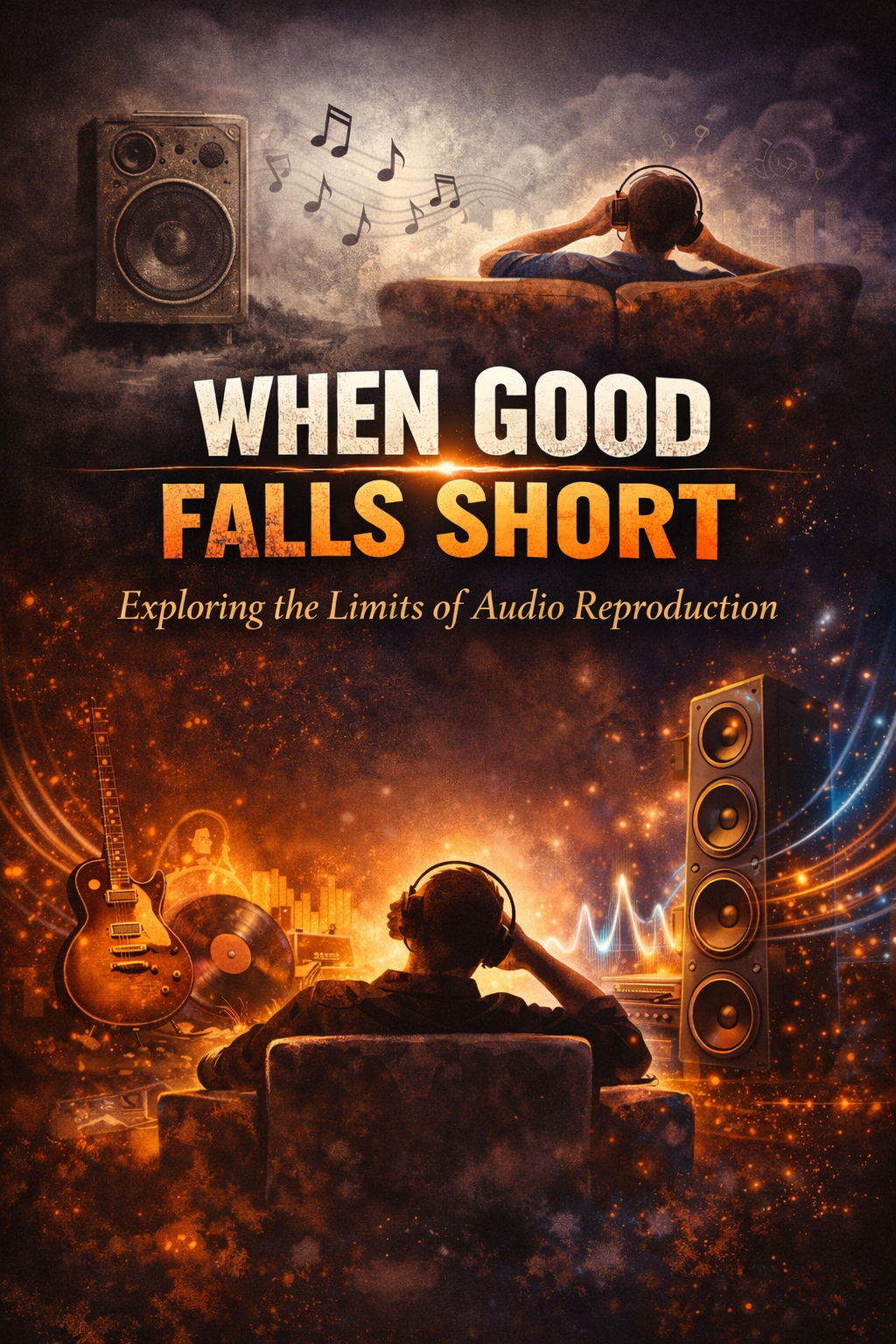
When Good Falls Short: Exploring the Limits of Audio Reproduction
Exceptional audio reproduction turns background music into a visceral, immersive experience. On ordinary systems, songs like Prince’s When Doves Cry feel enjoyable but emotionally distant, with bass, rhythm, and vocals flattened.
On an outstanding system, every element—the missing bass, drum hits, vocal proximity, harmonies, and silence—is revealed in detail, creating tension, presence, and layered emotion. Music stops being observed; it is lived, felt physically and psychologically. Nuances—restraint, longing, pride, conflict, anticipation—register instantly. The difference is not volume or clarity but emotional specificity.

Music, Passion, and Avoiding the Snares
Most of us get caught up in gear, streaming services, and formats, forgetting that music itself matters. “Reproduction” sounds like a photocopy, but nobody falls in love with a photocopy—the magic lives between the notes, in how a voice, synth, or drum hooks you.
Passion for sound can wander, distracted by shiny equipment or the illusion that progress can be bought, but true engagement comes from the music itself.
The trick is avoiding obsession: focus on rhythm, flow, pulse, and narrative, and let the gear serve the song.
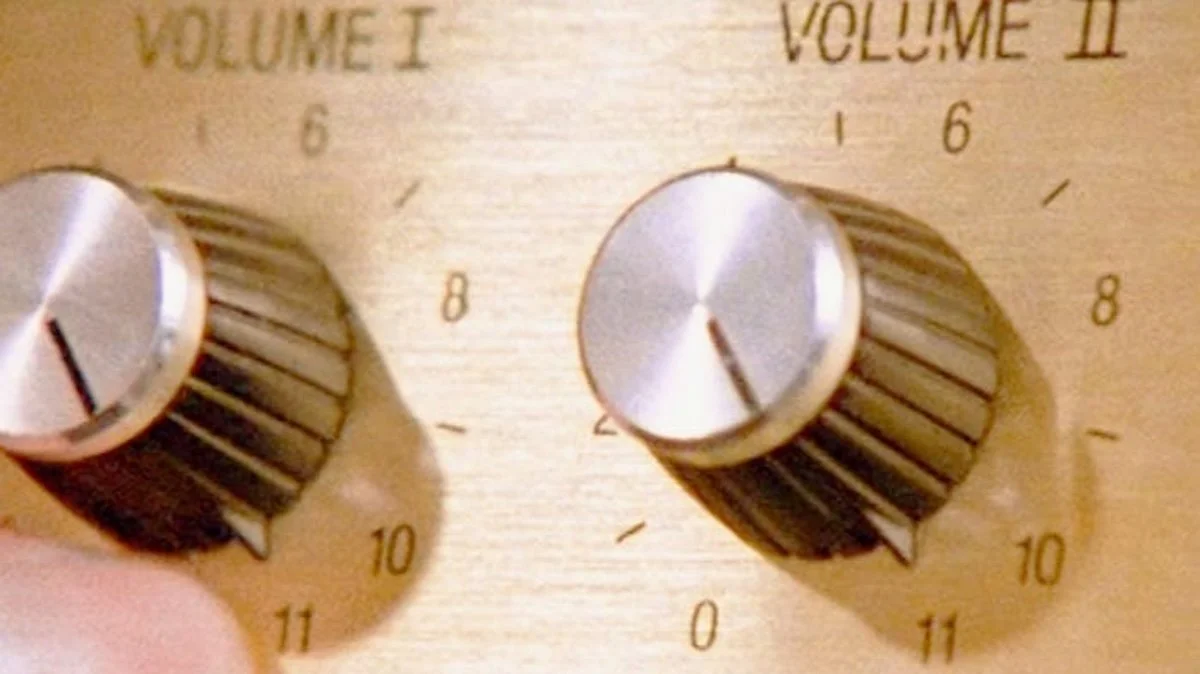
Cranked Up, Held Back:
Listening to a favourite record can feel thrilling—until the music peaks and your system falters. Crescendos feel restrained, polite, and disappointingly small.
The culprit isn’t mastering or taste; it’s headroom—the system’s ability to handle dynamic peaks without strain. Without enough headroom, amps clip, speakers hit limits, and music’s drama, scale, and impact collapse. Small drivers or weak amps rob crescendos of weight, snare snaps of snap, and vocals of lift. Micro-dynamics may survive, but macro-dynamics—the emotional leaps, tension, and release—flatten.
True headroom restores proportion: quiet passages draw you in, loud moments surge with authority, and music breathes as it should.
More Headroom: Let Your Music Breathe
Headroom is a system’s reserve power that lets music breathe and unfold without strain. It depends on the amplifier's strength, the speaker's efficiency, room size, seating, recording quality, and the music itself.
Headroom isn’t a spec; it’s the synergy of amplifier, speaker, setup, and restraint—letting crescendos hit, silence matter, and music feel fully alive.

Beyond the Emperor’s New Clothes: What We’ve Really Gained and Lost in Music
Over the past six decades, music listening has shifted from a ceremonial, immersive act to instant convenience.
Today, streaming, high-res files, and AI mastering offer clarity, portability, and access—but often sacrifice timbral authenticity, dynamics, and the rituals that made listening meaningful.
Loudness wars, compressed pop, and algorithm-driven playback risk turning music into background, stripping subtle cues, breathing space, and the sense of living sound. While technological gains are impressive, they cannot replace the human, tactile, and patient aspects that make music feel alive.