

Part 1: Understanding Bass: Why It Matters in Music
There are people who think bass is what happens when the floorboards rattle during the car chase in an action film, and people who think bass is what happens when someone on an audio forum says “flat to 25Hz”. Neither is exactly right.
Bass means “deep” to some people, “loud” to others, and “that bit that annoys the neighbours” to almost everyone. In hi-fi circles, it’s discussed with a sort of blunt force. “This one slams.” “That one digs deeper.” “Mine’s flat to 20Hz.” Which is all very impressive.
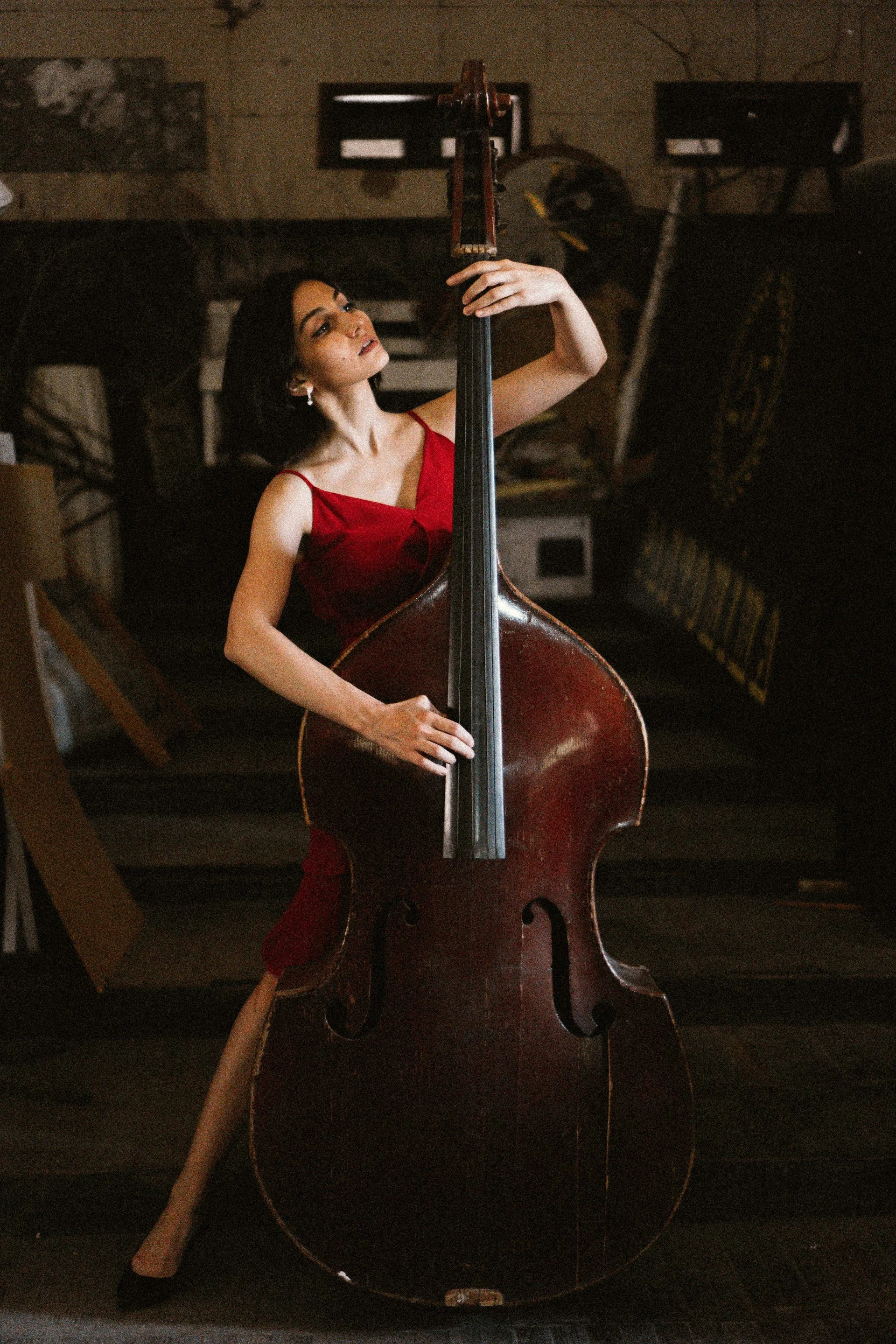
The problem is that what people generally understand by bass and what bass actually is—musically, emotionally, physically—diverges a lot. The bass is the part of music you don’t notice until it’s gone—then suddenly everything sounds thin, directionless, slightly embarrassing, like a conversation where no one quite knows whose turn it is to speak.
Bass isn’t merely the subterranean thump at the bottom of the mix. It isn’t just the cinematic whomp, the nightclub kick, or the organ note that frightens pets. Bass is timing, texture and shape. Bass is the difference between hearing a bass guitar and hearing fingers on strings; between hearing a kick drum and hearing skin, air and impact; between hearing an orchestra swell and feeling the room change shape around it.
And yet we talk about bass as if a single number explained everything. Flat to 30Hz. Flat to 25Hz. Flat to 20Hz. These measurements aren’t wrong. They’re useful in the same way BMI is. They tell you something. Just not nearly as much as people pretend.
Two systems can both reach 25Hz and sound entirely different: one nimble, articulate, and rhythmically convincing; the other like an old door flapping in the breeze. Bass is difficult to talk about because most people lack a frame of reference. We know what bright sounds like. We know what loud sounds like. But bass occupies that murky borderland between hearing and feeling, between note and pressure, between music and architecture. It can underpin rhythm, define harmony, create scale, imply menace, or make everything else seem more believable. Good bass doesn’t call attention to itself. Bad bass is the opposite: a drunk man at a wedding shouting over the first dance.
So when we assess bass reproduction using crude shorthand—level, extension, “slam”—we’re not exactly mistaken. We’re just stretching those ideas much too far, asking them to explain things they were never designed to explain. Which leaves us where all interesting discussions begin: with the suspicion that we’ve been using the wrong language all along. And in some cases, listening for the wrong things.
So what do we need to consider? For a start, the clue is in the word. Bass means bottom. The base. The foundation. In architecture, it’s the part everything else sits on—the bit you barely notice unless it fails, in which case the whole thing comes down, and someone has to explain themselves on the evening news. In music, it’s much the same: the lowest voice in the orchestra, the lowest voice in the choir, the thing underneath that gives everything else shape and meaning. This is where people get confused.
The most important supporting elements are often invisible. Nobody walks out of a cathedral praising the foundations. Nobody compliments the plate after a great meal. Nobody watches a brilliant football match and says, “The holding midfielder really made that happen.” Well, almost nobody. Bass is support. That’s its job. It gives context, weight, and structure. The bass line tells the chords where home is. The kick drum tells the rhythm where the floor is. The double basses tell the violins where the ceiling ought to be. Without them, music can still exist, but it floats about—unmoored, vague, faintly unsettling.
When the bass is right, you don’t hear “bass.” You hear authority and confidence. Everything feels anchored. When bass is wrong, you hear nothing else: big, thick, attention-seeking bass. A bass that barges into the room, talking too loudly. And that’s the distinction.
Strong foundations are not oversized foundations. Good bass reproduction isn’t about piling on more low-end until the room shakes and your dog leaves home. It’s about proportion. Balance. Strength without spectacle. The best bass is rarely the most impressive in a quick demo. It doesn’t slap you in the face in the first ten seconds. It reveals itself over time—in the way music breathes, swings, and lands with more certainty. It makes the whole performance feel less like a collection of sounds and more like something built properly.
Which is exactly what a good bass is supposed to do: hold everything up, and make it look easy.