


Meeting the Artist in Sound
A young man enters a dusty record shop and, while resting from the heat, unexpectedly discovers the depth and space of music played on vinyl.
Through the quiet patience of the elderly owner, he begins to realise how modern listening has flattened music—and leaves with a record, newly aware of what careful listening can reveal.
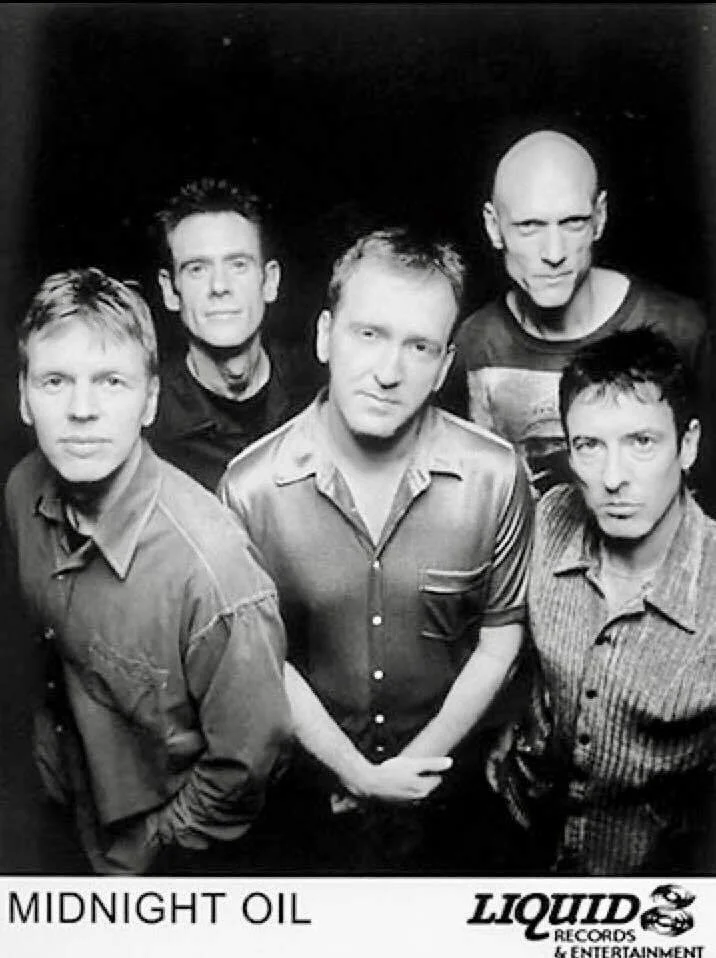
Why Music Matters: The Night Midnight Oil Understood Our Generation
This story about Midnight Oil shows vividly why people do themselves a huge disservice when they consume music like wallpaper. In the early 1980s, with unemployment sky-high and the future feeling like a closed door, Midnight Oil arrived as more than a band—they were a voice for a generation.
Their music captured the anger of standing in job queues, scraping together coins, and being overlooked, turning frustration into something everyone could feel.

Why on Earth Would You Play Yodelling?
I went to audition hi-fi speakers expecting polite jazz and polished piano, but ended up challenging them with yodelling, chamber music, and a thundering organ. In the end, I learned that a system only earns its keep when it can handle both the beautiful and the demanding.”
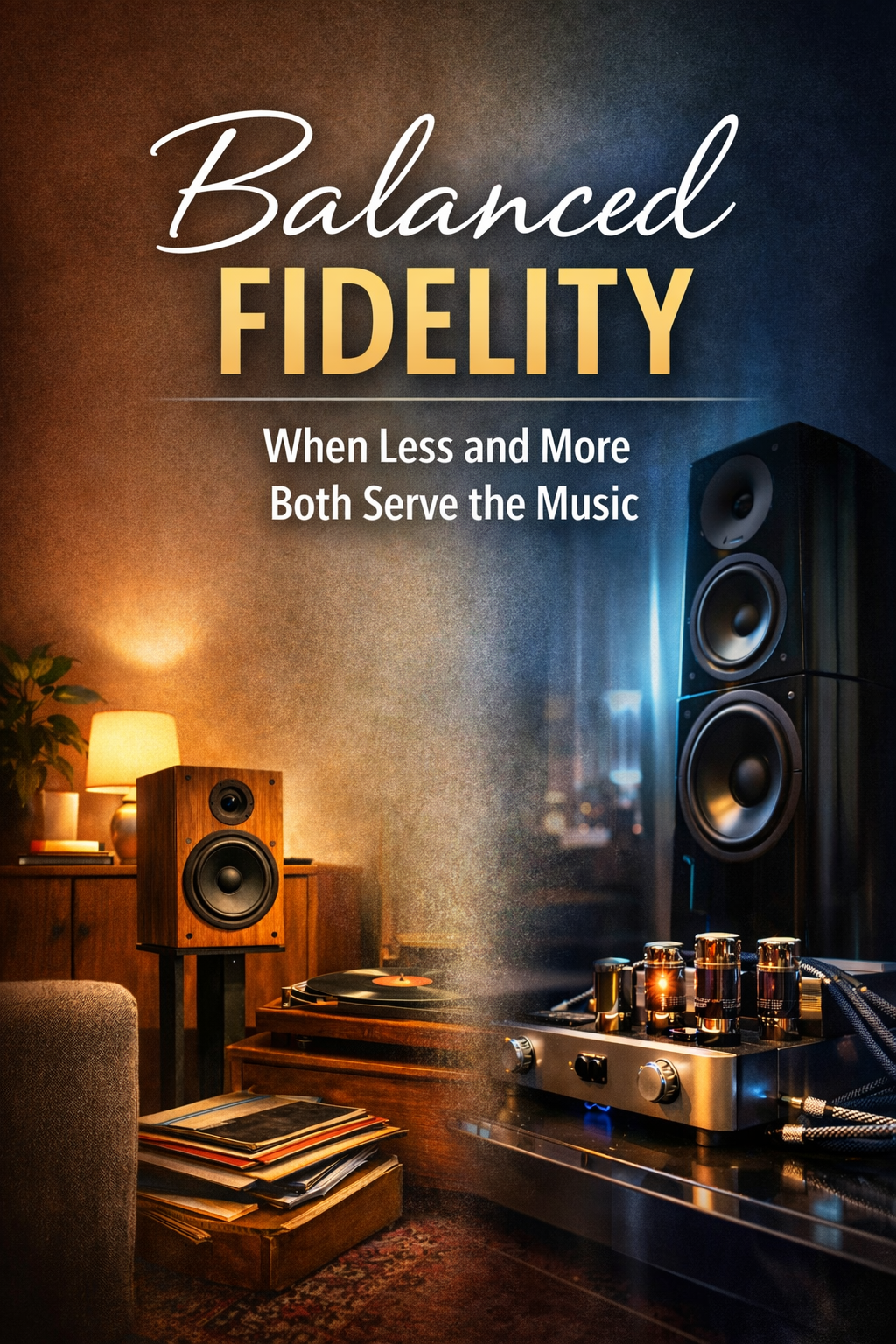
Balanced Fidelity: When Less and More Both Serve the Music
“Balanced Fidelity” shows that meaningful listening isn’t about price or complexity. Both modest and high-end systems can excel when they fit your space, priorities, and life.
True engagement comes from presence, not specs, and small upgrades can improve any system. The key is balance: choose gear that serves the music and your experience, not status or cost.
How Ritual Shapes the Music Experience

Recovering Our Gratitude for Music
This piece honors artists like Buddy Holly, Prince, Glenn Gould, and Kate Bush, whose devotion and creativity offer lasting gifts. Their work shows bravery, individuality, and commitment, often at personal cost. In a distracted, streaming-driven culture, true listening requires presence—sitting with an album, reading lyrics, or attending a concert.
Music is not background; it is human effort, skill, and emotion made luminous. Receiving it fully cultivates gratitude for both the artist’s labor and our own capacity to engage deeply.
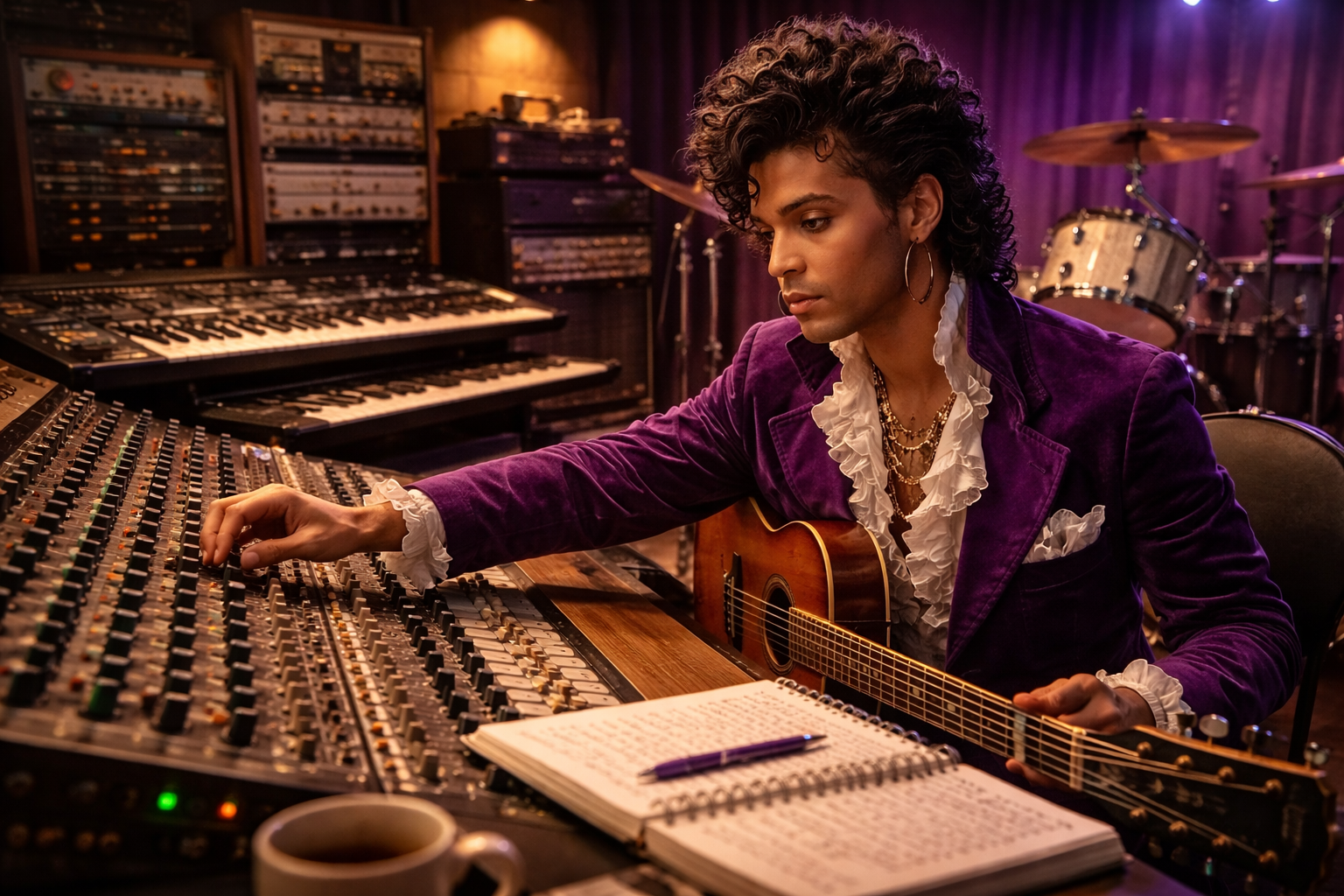
What We Lose When Music Sounds Worse
Modern music often loses fidelity, turning carefully crafted compositions into flattened, emotionally thin versions. Prince’s meticulous use of tone, space, and texture—the timing of syllables, drum tension, and synthesiser swirls—can be lost through compressed streams or low-quality speakers.
Poor playback diminishes both the artist’s intent and the listener’s sensitivity. High-quality sound restores emotional depth and structure, allowing listeners to fully inhabit the music and experience it as attentive, reverent listening.