

Blog
Select Category

Part 4: Breaking the Binary: A Voice that Bridges the Binary
Jeff Day a Voice that doesnt adopt Tribalism
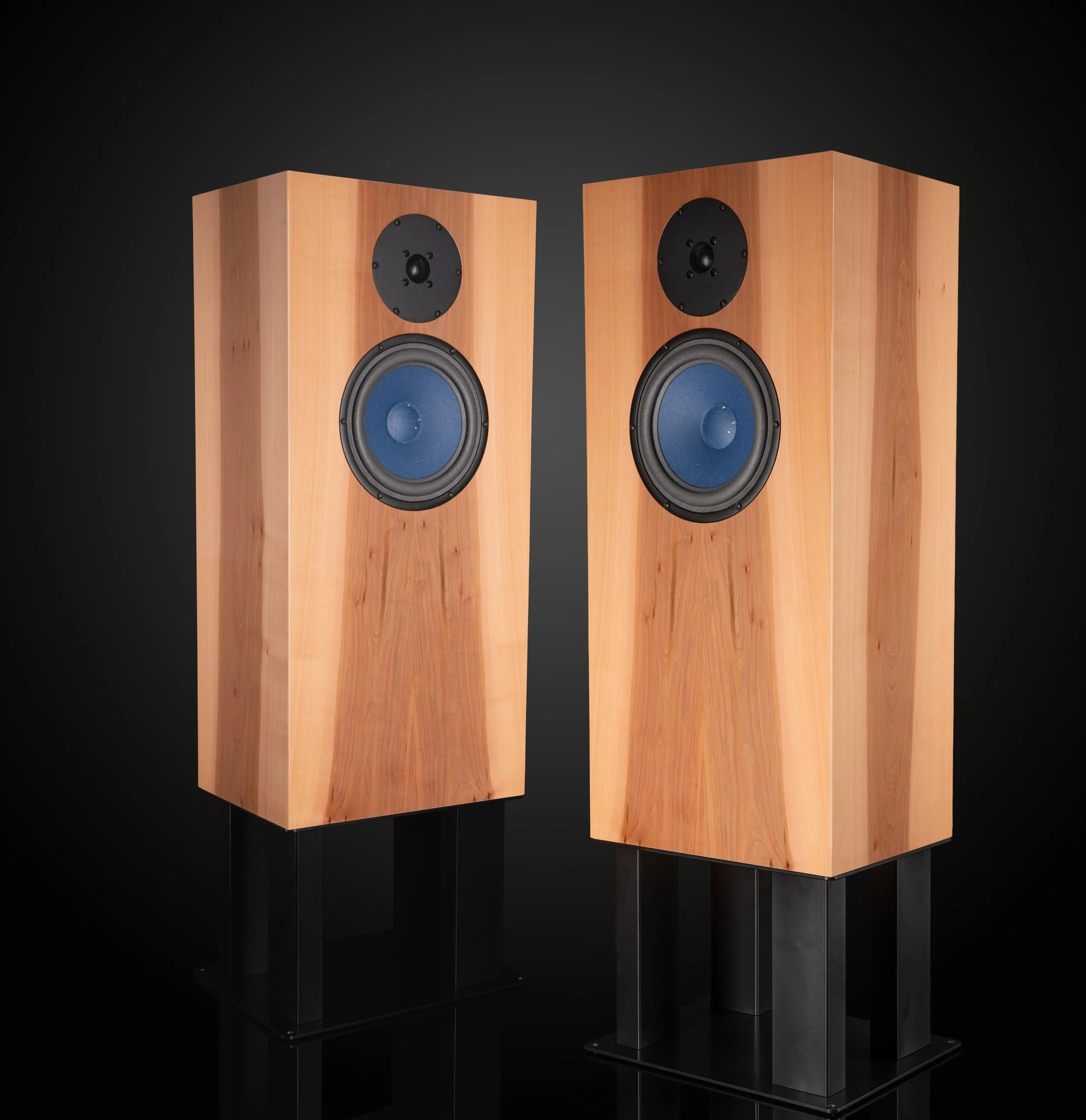
Part 3: Breaking the Binary: Audio Note’s Hybrid Design Explained
Audio Note takes a balanced approach, blending objective measurement with subjective listening. Instruments reveal distortions, phase issues, and power-supply limits that affect long-term sound quality.
Listening captures emotional nuance, timing, spatial cues, and musical flow that measurements alone miss. Engineers use data to guide design and component choice, while “material voicing” and attentive listening refine tone, phrasing, and dynamics. Choices like non-oversampling DACs and valve-rectified power supplies preserve musical timing and presence, even if they defy strict metrics.
By combining measurement with perceptual evaluation, Audio Note bridges science and art, creating systems that maintain coherence, expressivity, and the sense of real musicians, keeping the music central.
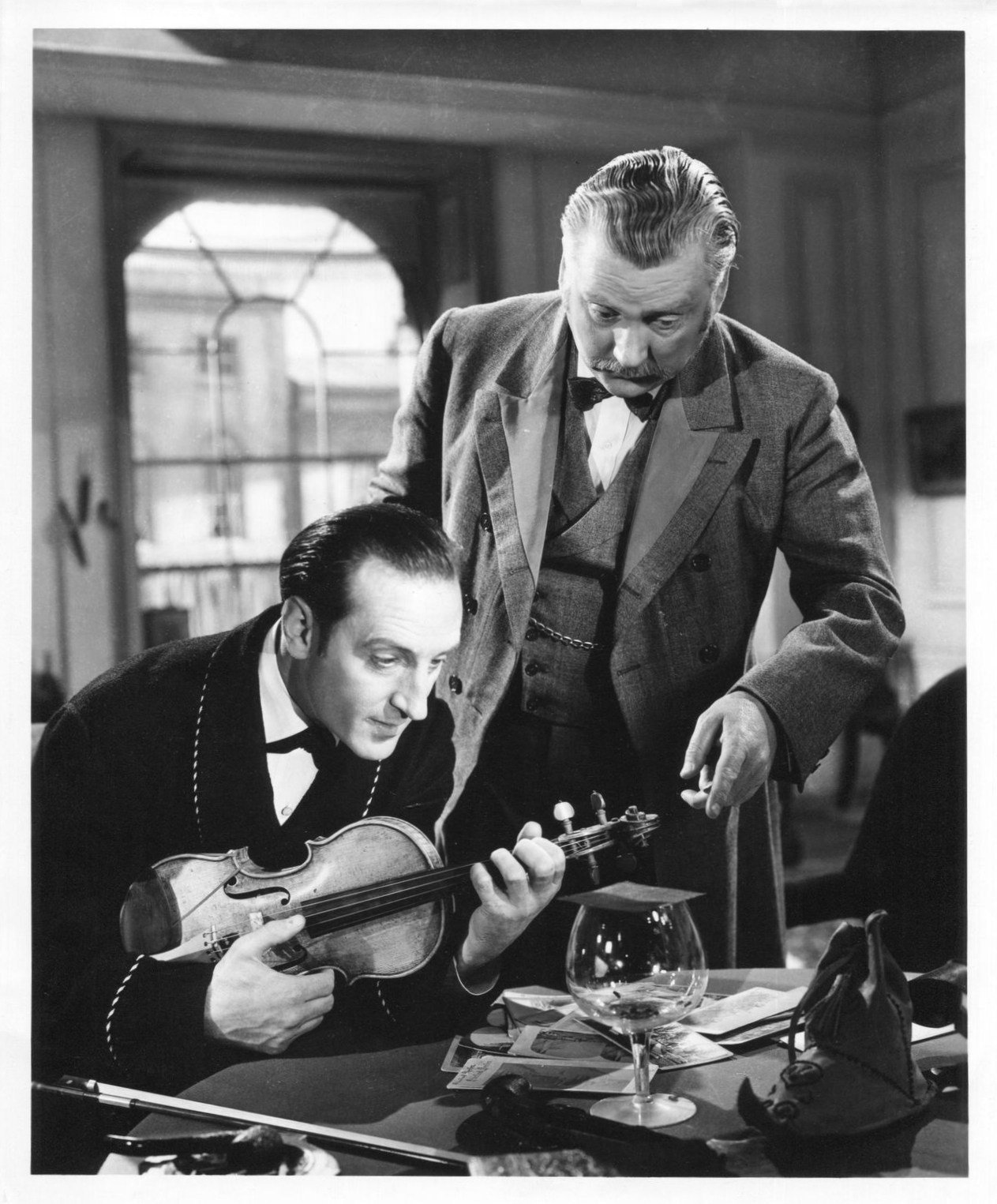
Part 2: Breaking the Binary: What Holmes & Watson Would Say
The divide in audio communities mirrors Sherlock Holmes and Dr. Watson: Holmes represents disciplined observation, Watson human intuition.
Audio forums often lack this balance, with debates over formats, cables, or “sound qualities” turning into tribalism and jargon, where allegiance replaces analysis.
True evaluation requires both careful scrutiny and perceptual sensitivity—assessing devices, assumptions, and experience—so technical observation and human response together reveal the real character of music reproduction.

Part 1: Breaking the Binary: Moving beyond Tribalism in Audio Culture and Design
Audio debates often divide enthusiasts into camps: those who trust measurements and those who trust their ears.
Objectivists rely on specs like frequency response, distortion, and SNR as proof of quality. Subjectivists value the emotional impact of music, preferring systems that feel alive even if technically imperfect.
Both approaches have limits: measurements capture fidelity but miss expressive, relational qualities, while subjective impressions risk bias.
True fidelity balances objective precision with perceptual insight, preserving the music’s emotional and expressive integrity, not just its data.Audio Tribalism