

Recorded music can feel like a TARDIS: a way into the world it came from.
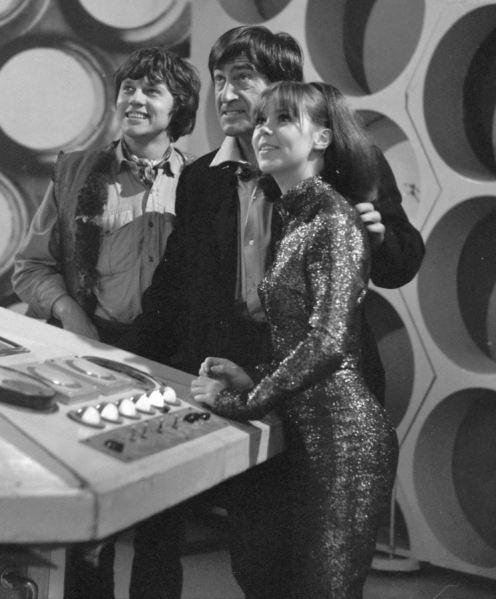
Inside the Tardis
Recordings preserve the sound and feel of an era as it was lived. Listening to music offers a way to experience what life was like in another time
A voice, a rhythm, a production choice can carry the grain of its moment—the technologies and fashions around it, and the hopes, fears and habits of the people who made and heard it. Music does not simply tell us another time existed. At its best, it lets us feel our way towards it.
But the journey is not only backwards. Music can bring us close to the moment of listening: to someone who heard a song when it was new, and to the feeling it stirred. Samuel Pepys’s diary offers a passage into such moments. In its accounts of performances and evenings with friends, music returns as part of ordinary life: sought out, shared, remembered and written down because it mattered.
Pepys, who lived from 1633 to 1703, can seem far removed from us. His enthusiasm is the bridge. Music was one of Pepys’s great passions. ‘The thing of the world that I do love most,’ he called it. He sought out performances and unfamiliar sounds, attentive to his own response. His diary preserves not only what was played but also the pleasure of being there, imperfectly but vividly.
On 2 January 1666, Pepys visited Lord Brouncker’s house and met Elizabeth Knipp, an actress and singer whose company he enjoyed. They sang together. Pepys wrote that he took “perfect pleasure” in hearing her, especially in the Scottish song “Barbary Allen.” The next day, after hearing encouraging news about the plague’s decline, he attended another musical gathering. One was “Beauty, Retire!”, a song from Davenant’s The Siege of Rhodes, which Pepys set to music and which Mrs Coleman sang.
These details bring the entry to life: a roomful of people, a voice Pepys particularly wanted to hear, a song shared among friends. Knipp’s voice is beyond our reach; Pepys’s response is not. “Perfect pleasure” directly traces a listener caught up in the sound before him. We cannot hear exactly what his companions heard, but we can recognise the pleasure of being moved by a singer—and of wanting to hold on to an evening that has gone right.
That intimacy matters because the world around Pepys was precarious. London was enduring the Great Plague of 1665; he wrote: Lord! How empty the streets are and how melancholy, so many poor sick people in the streets full of sores… in Westminster, there is never a physician and but one apothecary left, all being dead.”
His delight in music and company is not evidence that a song could undo grief or danger. It is a glimpse of people making room for pleasure while uncertainty remained.
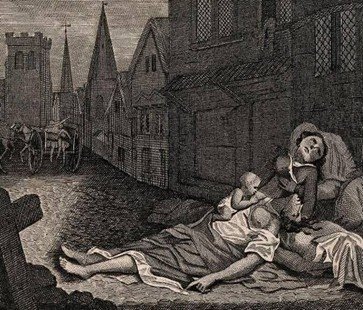
The Plague in London
Music can bring us back to life on a human scale. A song gives attention somewhere to go: to the bass line beneath a melody, the rhythm holding a performance together, the way a singer stretches a word and gives a feeling time to arrive. For a few minutes, the day’s abstractions become less total. The world may not have changed, but we are present to it differently.
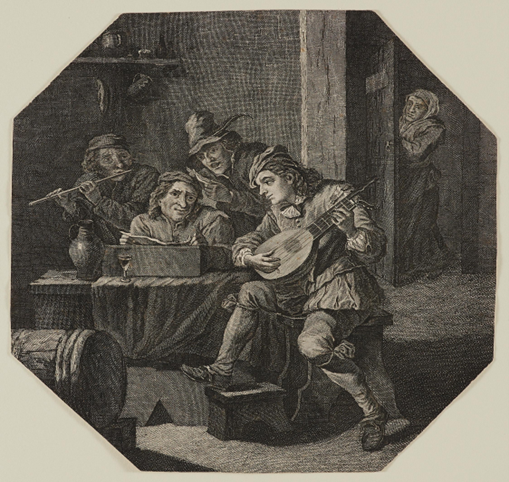
Musicians During Pepy’s Era
Pepys reminds us that this kind of attention is not new. The setting, songs and dangers belong to his century; listening belongs to every century. Someone sings. Someone else feels the pleasure and later finds a way to record it. Centuries on, a reader encounters that testimony and recognises the feeling.
When the music ends, the ordinary world is still there, with its unfinished conversations and unanswered questions. What remains is the sense that another person felt something deeply enough to give it a voice. A song cannot promise that everything will work out. It can remind us that what we feel is not ours alone. That is how music travels in both directions. It carries us towards the world that made it, then brings us back with a sharper sense of our own. Pepys’s diary lets us approach the pleasure of hearing Knipp’s voice. A recording can preserve a sound across distance and open a small door into the lives around it. For the length of a song, time loosens—and we are listening together.