

Part 2: The Hidden Power Upgrade: Why Your IEC Matters More Than You Think
Summary of IEC Features

Summaty of IEC Capabilities
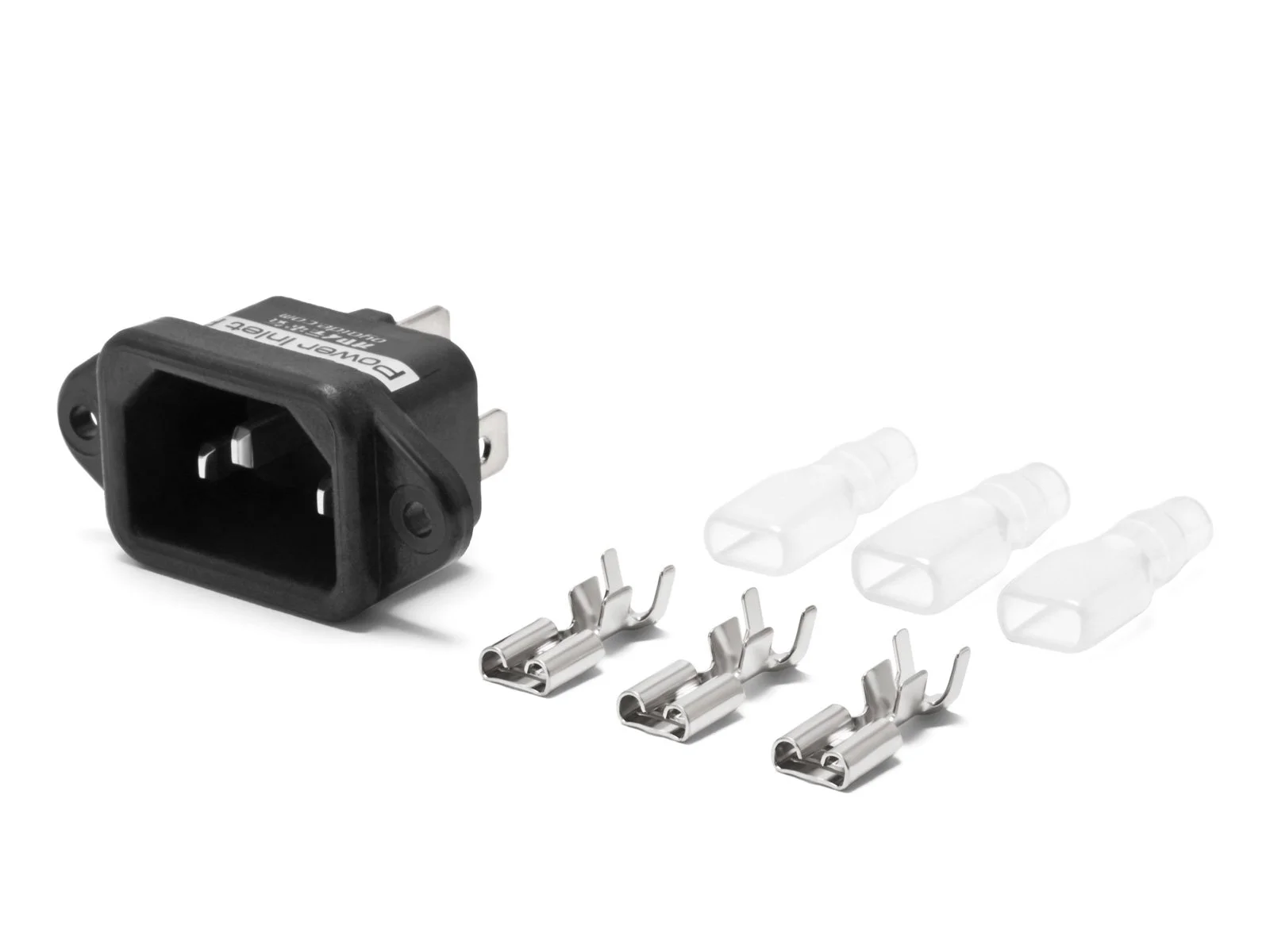
Replacement IEC
Replacing the IEC
Upgrading an IEC inlet is usually straightforward, but the work required depends on what the component originally uses. In some cases the new connector may be slightly larger than the factory part, meaning the opening in the rear panel must be carefully enlarged to fit it properly. Another consideration is that some original IEC inlets include an integrated fuse. If the replacement inlet does not, a separate fuse holder will need to be installed so the component retains proper protection.
Taking a clear photo of the wiring before starting makes the job much easier, as it shows exactly where the live, neutral, and earth connections go. With basic tools the task itself is not especially difficult. However, the usual safety warning applies: audio equipment contains potentially lethal voltages even when unplugged. For that reason, having the IEC upgrade carried out by a qualified technician is often the safest and most sensible approach.
User Feedback
What do people who have made the upgrade report?”
One listener was captivated by the tighter bass and more nuanced piano, hammer strikes and sustain, etc. Another noticed that quiet passages stayed quiet, and loud ones remained punchy. A third couldn’t stop grinning: “Swap your IEC,” he said. Even sceptics hear it—the change is real.
The improvements aren’t dramatic, but they refine everything: cleaner highs, tighter bass, more precise imaging, and improved timbre, making music easier to enjoy. Subtle shifts in flow and connection let the music sound more real.
For anyone obsessed with nuance, upgrading the IEC inlet is a surprisingly effective tweak.